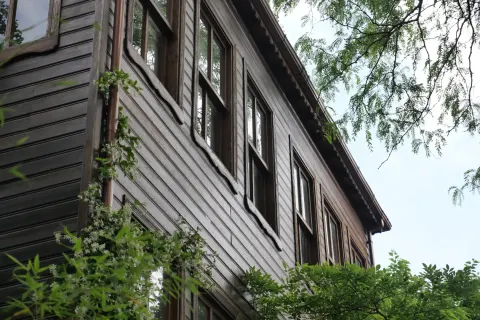

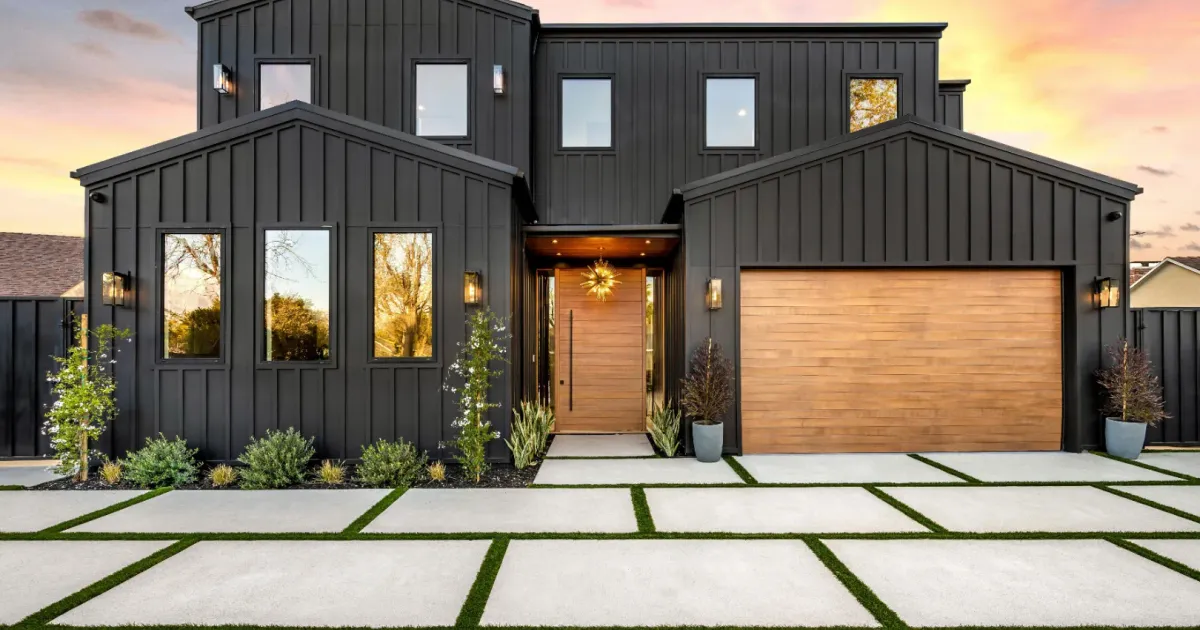
Board and batten siding is a type of exterior wall covering known for its distinctive vertical design. It uses wide boards installed side by side, with narrow strips called battens covering the joints between them. This creates a layered appearance that adds depth and character to a building.
Originally used on barns, farmhouses, and rural buildings, board and batten siding has become a popular choice for modern homes, cottages, cabins, and commercial properties. It combines traditional style with practical exterior protection.
Today, board and batten siding is available in several materials, including wood, fiber cement, vinyl, engineered wood, and composite. Each option has different costs, maintenance requirements, and performance characteristics.
In this guide, we will explain what board and batten siding is, how it works, its benefits and disadvantages, the materials available, and how to maintain it.
What Is Board and Batten Siding?
Board and batten siding is an exterior cladding style made using two main components:
Boards: Wide panels or individual boards installed vertically across the exterior wall.
Battens: Narrow strips placed over the gaps or joints between the boards.
The battens cover the seams and create characteristic raised vertical lines. This gives the exterior wall a textured appearance rather than a completely flat surface.
Traditional board and batten siding was commonly made from solid wood. Builders used wide boards for the main wall covering and smaller wooden strips to cover the spaces between them.
Modern versions can use different materials, but the basic design remains the same.
How Does Board and Batten Siding Work?
Board and batten siding works as an exterior cladding system. The boards form the main visible surface, while the battens cover the joints between adjacent boards.
In traditional wood construction, boards are installed vertically with appropriate spacing to account for natural expansion and contraction. Battens are then attached over the joints.
A properly designed wall assembly also includes a weather-resistant barrier and suitable flashing to help manage water.
The siding itself should not be treated as a complete waterproofing system. Correct installation and moisture management behind the cladding are essential to protect the building.
What Materials Are Used for Board and Batten Siding?
Board and batten siding is available in several materials. The right choice depends on your budget, climate, appearance preferences, and maintenance expectations.
1. Wood Board and Batten Siding
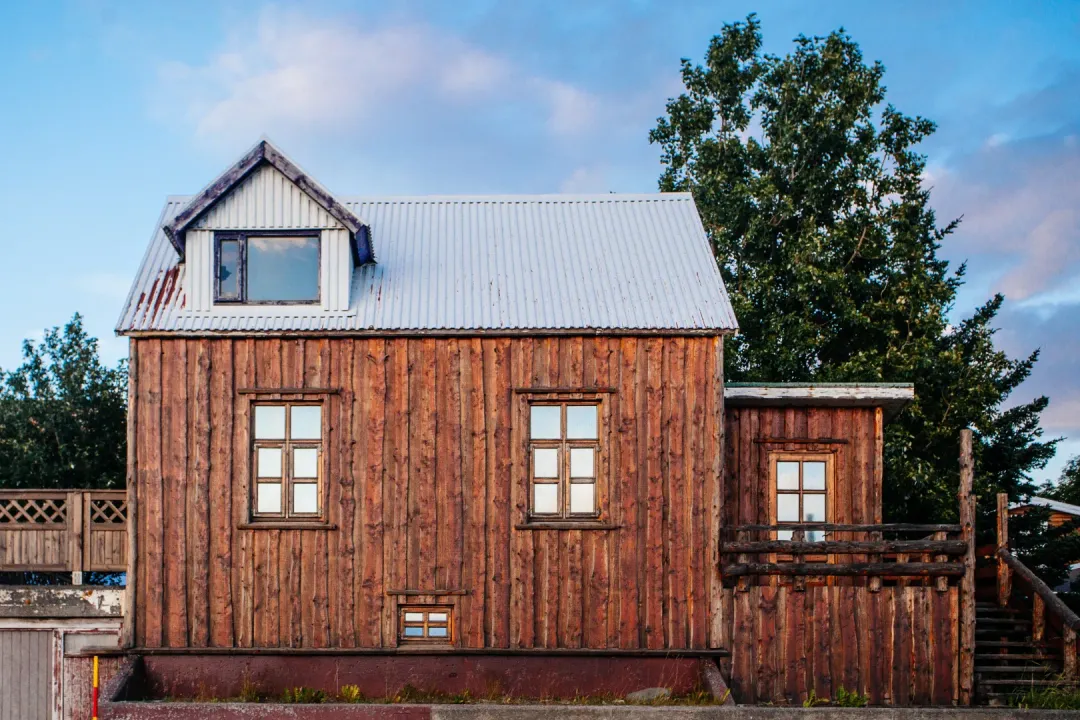
Wood is the traditional material used for board and batten siding. It offers a natural grain pattern and warmth that manufactured materials may not fully reproduce.
Common wood choices include cedar, redwood, pine, and cypress.
Advantages:
Natural appearance and texture.
Can be painted or stained.
Individual sections can be repaired or replaced.
Suitable for traditional and modern home designs.
Available in different wood species and profiles.
Disadvantages:
Requires periodic maintenance.
Can expand and contract with moisture changes.
May be affected by insects and decay if not properly selected and maintained.
Installation quality is important to prevent moisture problems.
Wood is a good option for homeowners who prefer authentic natural materials and are willing to maintain the exterior.
2. Fiber Cement Board and Batten Siding
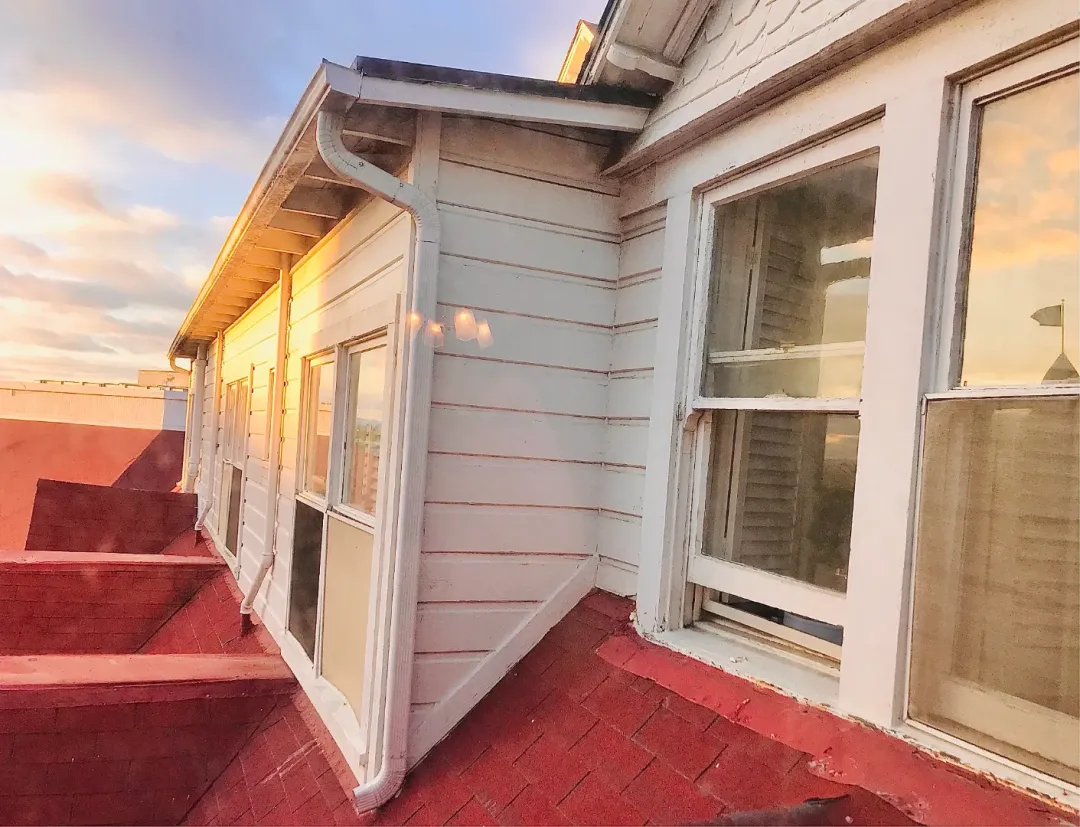
Fiber cement siding is manufactured using cement, cellulose fibers, sand, and other ingredients. It is designed to provide a durable exterior cladding option.
It can be manufactured with a wood-like texture and installed in a board and batten pattern.
Advantages:
Resistant to many common insect problems.
Does not support wood rot in the same way as untreated wood.
Available in different colors and textures.
Generally dimensionally stable when installed correctly.
Requires less frequent maintenance than many wood siding systems.
Disadvantages:
Heavier than many other siding materials.
Requires suitable cutting and installation methods.
Can crack if handled or installed incorrectly.
May require painting or refinishing, depending on the product.
3. Vinyl Board and Batten Siding
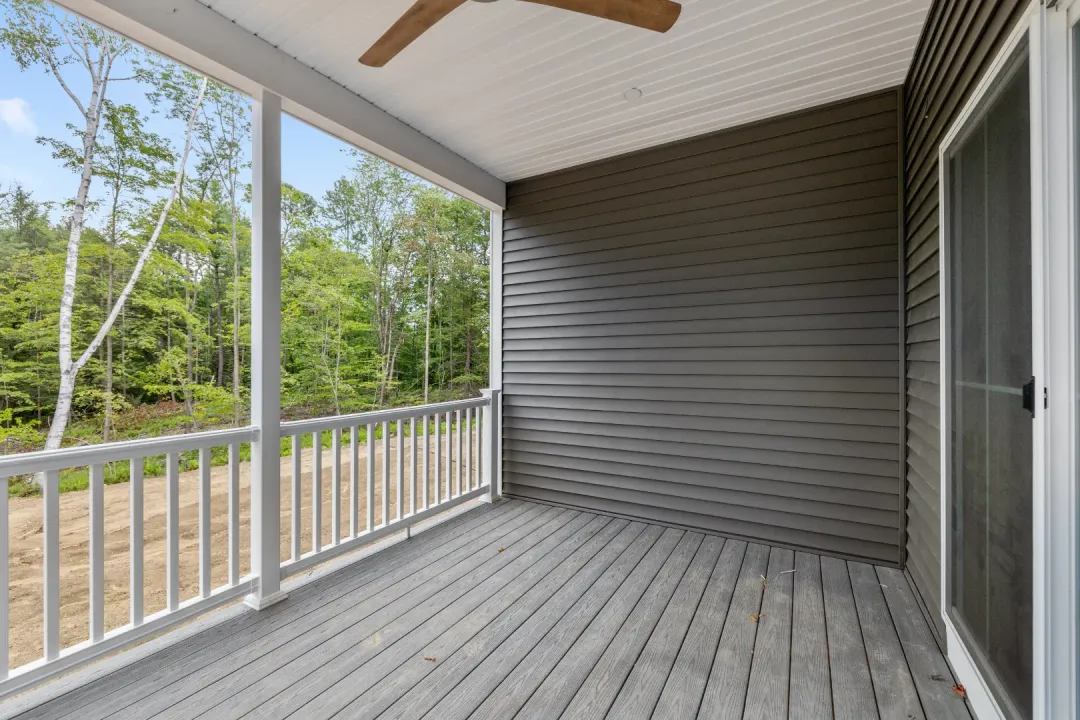
Vinyl siding is made from PVC and is available in vertical board and batten profiles.
It is often selected for its relatively low maintenance requirements and range of color options.
Advantages:
Does not need routine painting.
Resistant to moisture-related rot.
Lightweight.
Available in different colors and styles.
Generally easy to clean.
Disadvantages:
Can crack or become damaged by impact.
May expand and contract with temperature changes.
Does not have the same natural appearance as real wood.
Color and finish quality vary by product.
4. Engineered Wood Board and Batten Siding
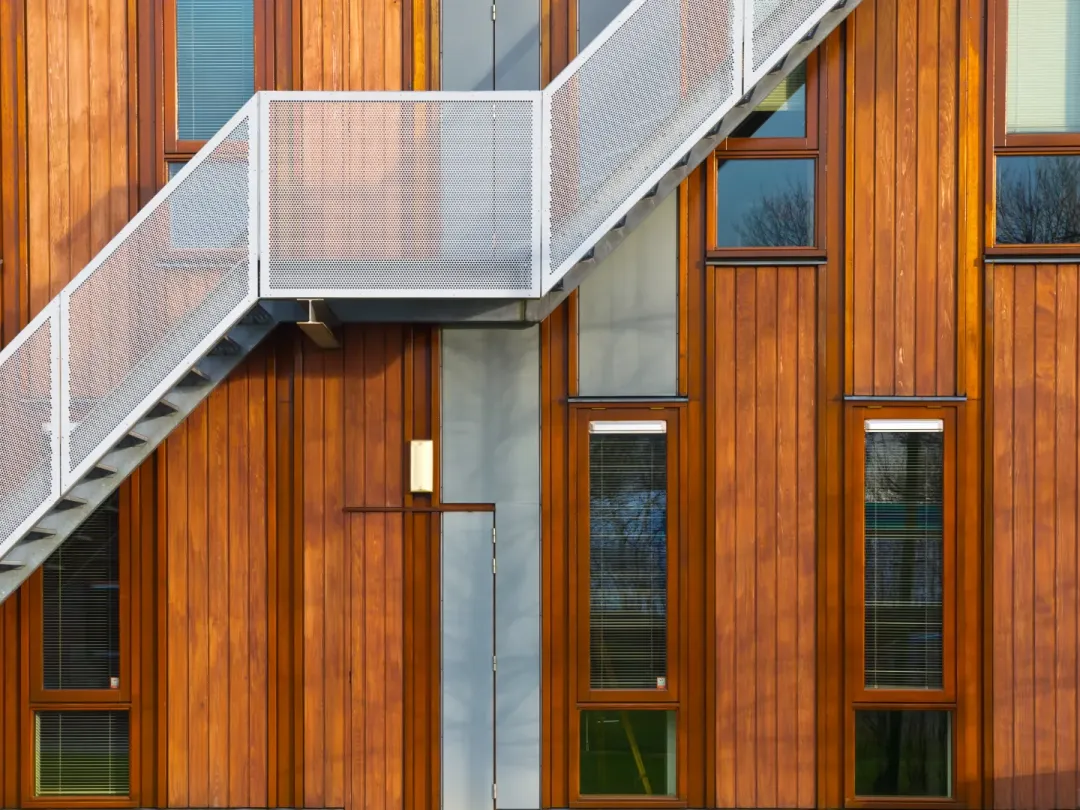
Engineered wood siding is manufactured using wood fibers or strands combined with resins and other materials.
It is designed to provide a wood-like appearance with more consistent dimensions than many solid wood products.
Advantages:
Natural wood-style appearance.
Available in different profiles and finishes.
Can be easier to install than some solid wood systems.
Provides an alternative to traditional lumber.
Disadvantages:
Requires correct installation and moisture protection.
Damaged or exposed areas may be vulnerable to moisture.
Maintenance requirements depend on the product and finish.
Always follow the manufacturer's installation instructions and use the specified flashing, clearances, and fasteners.
5. Composite Board and Batten Siding
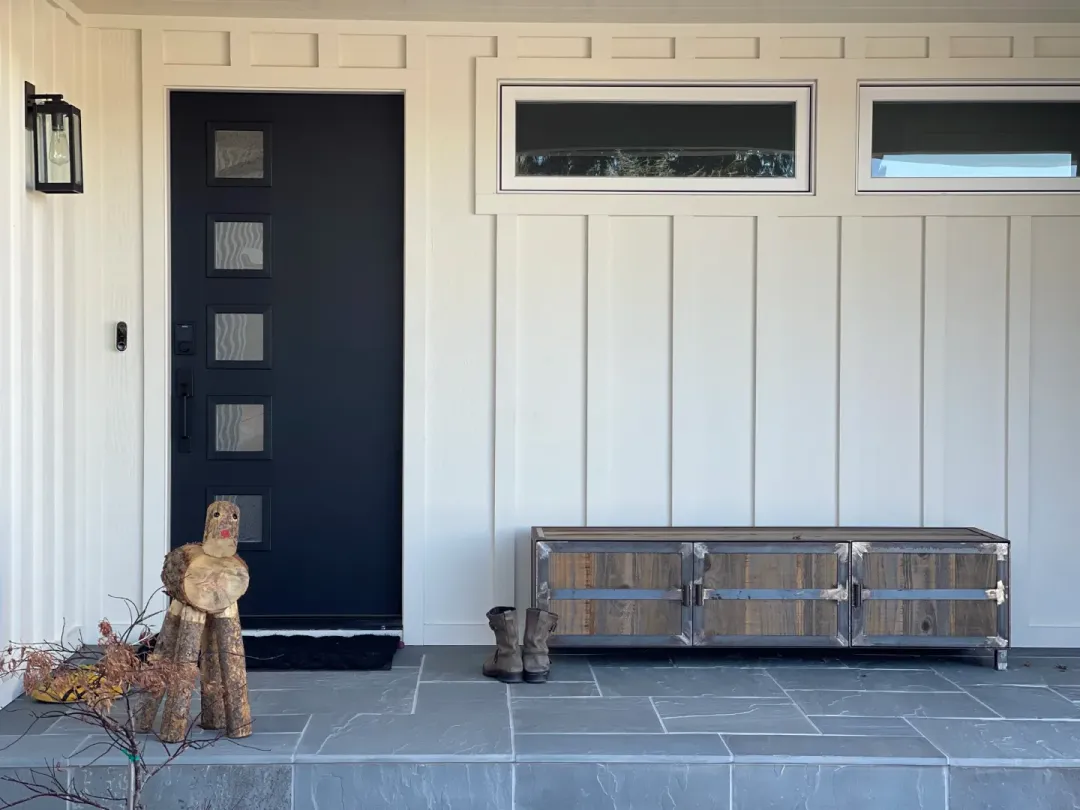
Composite board and batten siding is made from manufactured materials rather than solid natural wood. Depending on the product, it may contain wood fibers, recycled materials, polymers, or a combination of materials.
Composite siding is designed to offer a consistent appearance and an alternative to traditional wood siding. Some products are manufactured with wood-like textures and finishes that suit farmhouse and modern exterior designs.
Advantages:
Consistent appearance across panels and boards.
Available in different colors, textures, and finishes.
Some products require less frequent painting than traditional wood.
Can offer resistance to moisture and insects, depending on the material and construction.
Suitable for homeowners looking for an alternative to natural wood.
Disadvantages:
Performance varies significantly between manufacturers and product types.
Some composite products can expand or contract with temperature changes.
Damaged sections may require replacement rather than simple refinishing.
Initial costs can vary depending on the product and installation system.
Before purchasing composite siding, check its material composition, exterior-use rating, warranty, installation requirements, and resistance to moisture and UV exposure.
Composite products are not all the same. Some are designed specifically for exterior cladding, while others are intended for different applications. Always select a product approved for siding use.
Benefits of Board and Batten Siding
Board and batten siding offers several advantages that make it suitable for different architectural styles.
1. Distinctive Appearance
The vertical lines and raised battens create a recognizable exterior design. They add texture and visual interest to otherwise plain walls.
2. Works With Different Architectural Styles
Although traditionally associated with farmhouses and barns, board and batten siding can complement modern homes, cottages, cabins, and contemporary buildings.
It can also be combined with horizontal lap siding, stone, brick, or other exterior materials.
3. Different Material Options
Homeowners can choose between natural wood, fiber cement, vinyl, engineered wood, and composite. This makes it easier to find a material that matches the project's budget and maintenance requirements.
4. Flexible Color Choices
Depending on the material, board and batten siding can be painted or purchased in different factory-applied colors and finishes. White, gray, beige, and earthy shades are popular choices for farmhouse-style exteriors.
5. Suitable for Accent Walls
You do not need to install board and batten siding across the entire building. It can be used on a front-facing wall, gable, porch, or entryway to create an architectural feature.
Disadvantages of Board and Batten Siding
Despite its visual appeal, board and batten siding has some limitations.
Installation requires attention to detail: Incorrect spacing, fastening, or flashing can lead to problems.
Wood needs maintenance: Natural wood may require periodic staining, sealing, or painting.
Moisture must be managed: Poor drainage or trapped moisture can damage the wall assembly.
Material costs vary: Premium wood, composite, and fiber cement products can cost more than basic siding options.
Materials perform differently: Vinyl, engineered wood, composite, and solid wood have different limitations.
Choosing the right material and hiring an experienced installer can help avoid many common problems.
How Much Does Board and Batten Siding Cost?
The cost of board and batten siding depends on the material, wall area, labor, installation complexity, and location.
Wood, fiber cement, vinyl, engineered wood, and composite have different material and installation costs. Additional expenses may include removing old siding, repairing the wall, installing weather barriers, flashing, trim, and painting.
For an accurate estimate, request a detailed quote that separates material and labor costs. Compare products with similar specifications rather than choosing based only on the price per square foot.
How to Maintain Board and Batten Siding
Proper maintenance helps board and batten siding retain its appearance and protect exterior walls.
Clean the siding regularly: Remove dirt, dust, and debris using suitable cleaning methods.
Inspect joints and edges: Check for cracks, gaps, loose battens, and damaged boards.
Maintain the finish: Wood siding may need periodic staining or painting. Follow the manufacturer's recommendations for other materials.
Check for moisture problems: Look for signs of water damage, soft wood, peeling paint, or discoloration.
Keep water away from walls: Maintain suitable roof drainage, gutters, flashing, and ground clearance.
Always follow the cleaning and maintenance instructions provided by the siding manufacturer.
Conclusion
Board and batten siding is a versatile exterior cladding style that combines wide vertical boards with narrow battens covering the joints. Its distinctive appearance makes it suitable for traditional farmhouses, modern homes, cottages, and other building designs.
Wood remains a popular choice for its natural grain and warmth, while fiber cement, vinyl, engineered wood, and composite offer alternatives with different maintenance and performance characteristics.
Before choosing board and batten siding, consider your climate, budget, preferred appearance, and maintenance requirements. Selecting the right material and ensuring proper installation will help create an attractive exterior that performs well over time.