
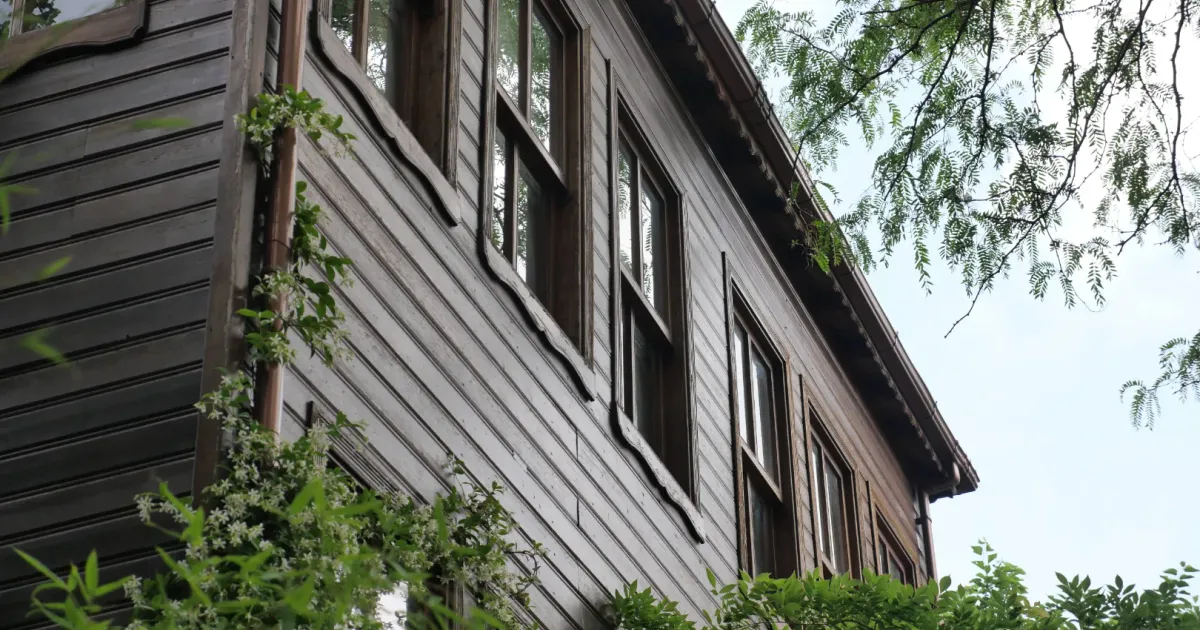
Siding is the exterior material installed on the walls of a building to protect it from weather, moisture, and environmental damage. It also plays an important role in a property's appearance, durability, and maintenance requirements. Siding comes in many materials, including wood, vinyl, composite, fiber cement, metal, brick, stone, stucco, and engineered wood.
Each siding material has different characteristics. Some offer the natural appearance of wood, while others are designed for low maintenance, moisture resistance, durability, or modern architectural styles. The right choice depends on your budget, climate, building design, and long-term maintenance expectations.
Understanding what siding is made of can help you compare available options and select a material that meets your property's needs. This guide explains the most common siding materials, their composition, benefits, limitations, and typical applications.
What Is Siding Made Of?
Siding can be manufactured from natural materials, synthetic products, or a combination of ingredients. Its composition depends on the type of siding and the manufacturing process.
For example, wood siding is made from natural lumber, while vinyl siding is primarily made from polyvinyl chloride (PVC). Composite siding may combine wood fibers or other materials with polymers and binding agents. Fiber cement siding typically contains cement, sand, cellulose fibers, and other ingredients.
Other siding options include aluminum, steel, clay brick, natural stone, manufactured stone veneer, and cement-based stucco.
The main siding materials include:
Natural wood siding
Vinyl siding
Composite siding
Engineered wood siding
Fiber cement siding
Aluminum siding
Steel siding
Brick siding
Natural stone siding
Manufactured stone veneer
Stucco siding
Natural wood shingles and shakes
Shingle and shake-style composite siding
Wood-plastic composite siding
High-pressure laminate siding
Glass and metal architectural cladding
Exterior-grade plywood and panel siding
Thermally modified wood siding
Modified wood siding
Cement board and other specialty panel systems
Some of these materials are complete siding products, while others are siding styles, finishes, or specialized exterior cladding systems. Their suitability depends on the building design and the manufacturer's specifications.
1. Natural Wood Siding
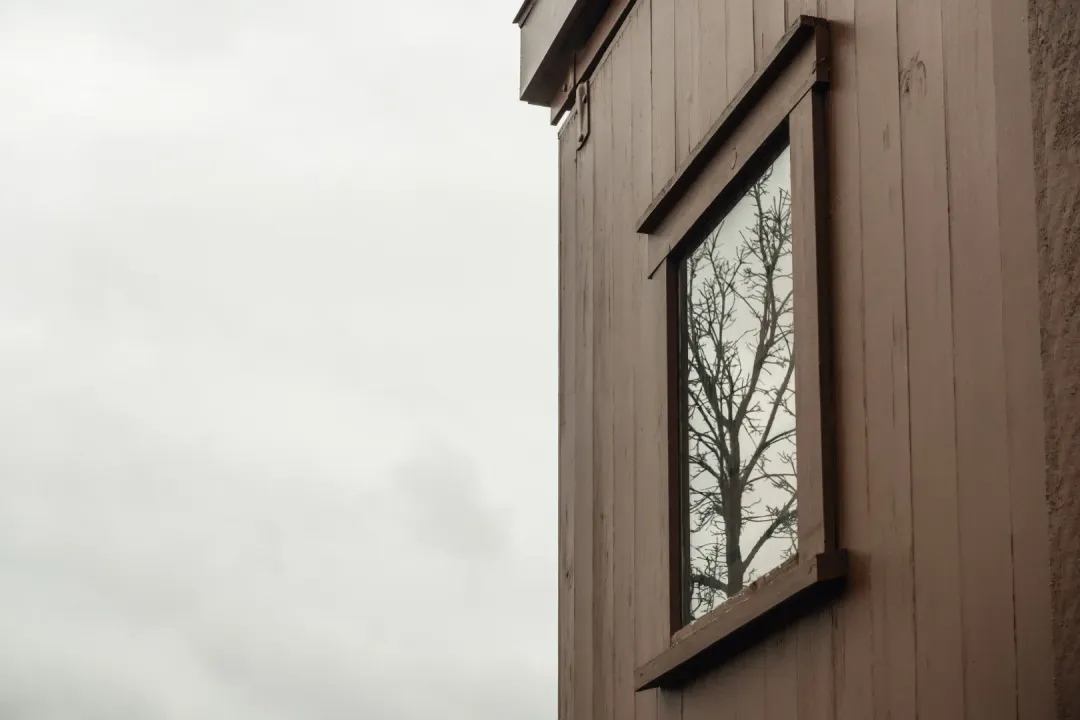
Natural wood siding is made from lumber cut into boards, planks, shingles, or other exterior profiles. Common species include cedar, redwood, pine, spruce, cypress, and fir.
Different wood species offer different grain patterns, colors, durability characteristics, and resistance to decay. Cedar and redwood, for example, are often selected for their natural appearance and useful resistance to certain forms of deterioration.
Wood siding can be installed horizontally, vertically, or in decorative patterns. Popular styles include lap siding, board-and-batten siding, tongue-and-groove siding, and shiplap.
Benefits of Natural Wood Siding
Provides an authentic natural wood appearance.
Offers distinctive grain patterns and textures.
Can be painted or stained in different colors.
Allows damaged boards to be replaced individually.
Works with traditional, rustic, and contemporary designs.
Limitations of Natural Wood Siding
Wood can absorb moisture, expand, contract, and deteriorate if it is not properly protected. Depending on the species and environment, it may also be susceptible to insects and fungal decay.
Regular inspections and appropriate finishes help protect the material. Proper installation, ventilation, flashing, and drainage are also important for long-term performance.
2. Vinyl Siding
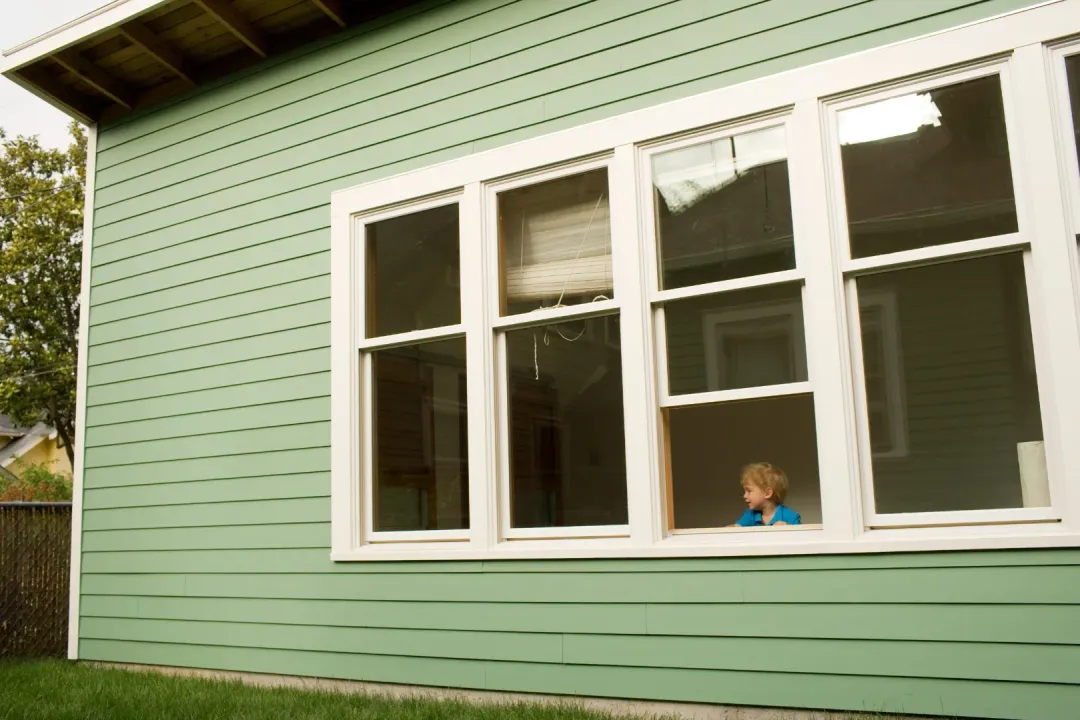
Vinyl siding is made primarily from polyvinyl chloride, commonly known as PVC. Manufacturers process the material into exterior panels that are designed to withstand normal outdoor exposure.
Vinyl siding is available in many colors, textures, and profiles. Some products have smooth finishes, while others imitate wood grain.
It is widely used in residential construction because it is relatively lightweight and generally requires less maintenance than painted wood siding.
Benefits of Vinyl Siding
Requires relatively little routine maintenance.
Resists moisture and does not rot.
Comes in many colors and styles.
Does not require regular repainting in most applications.
Is generally easy to clean.
Limitations of Vinyl Siding
Vinyl siding can crack under impact or become brittle as it ages. It also expands and contracts with temperature changes, making correct installation important.
Although the panels resist moisture, water can enter the wall assembly if flashing, joints, or drainage details are improperly installed. Vinyl siding should not be considered a replacement for a properly designed moisture-management system.
3. Composite Siding
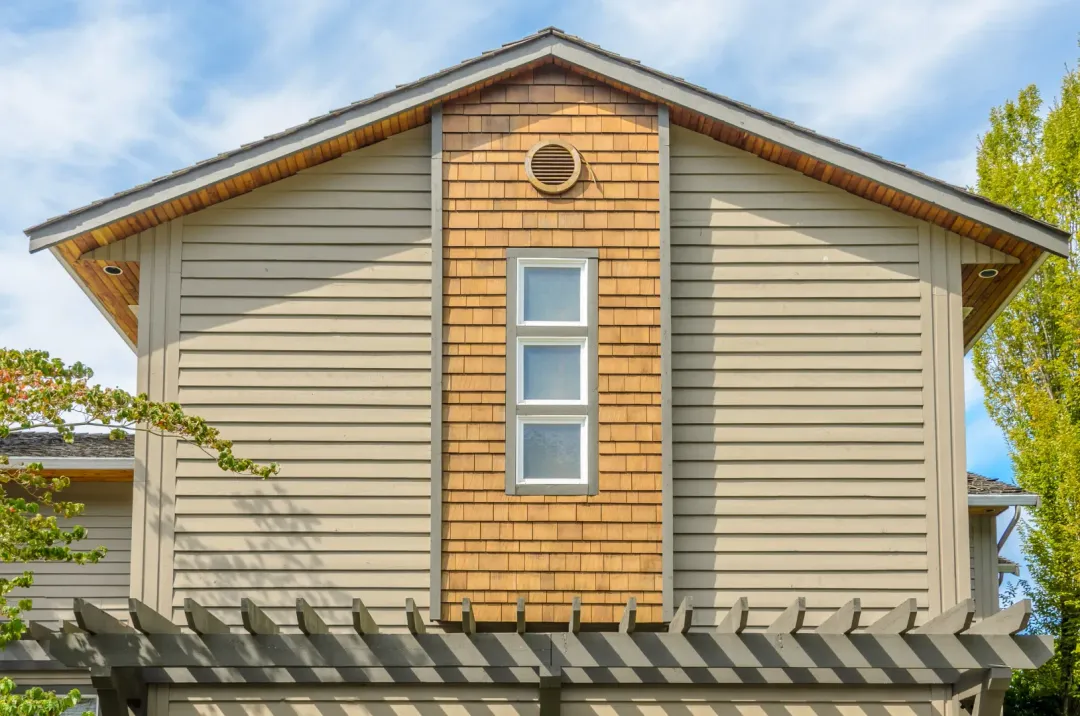
Composite siding is made from two or more materials combined to achieve particular performance or appearance characteristics. However, the term composite siding covers several different product categories, so the exact composition depends on the product.
Some composite siding contains wood fibers or wood flour mixed with polymers and binding agents. Other products combine mineral materials, resins, or other ingredients to create durable exterior panels.
Wood-plastic composite siding is one type of composite siding. It combines wood-based material with thermoplastic polymers. Other composite products may use different formulations and should not automatically be treated as equivalent.
Composite siding is available in boards, panels, and profiles that may imitate natural wood or provide a contemporary appearance.
Benefits of Composite Siding
Can provide the appearance of wood with consistent manufacturing.
Is available in different textures, colors, and profiles.
Some formulations offer good resistance to moisture and decay.
May require less maintenance than untreated natural wood.
Can be suitable for contemporary and traditional building designs.
Limitations of Composite Siding
Composite siding performance varies considerably by product. Some formulations can be damaged by prolonged moisture exposure, while others are designed for demanding exterior applications.
Installation requirements also vary. Expansion gaps, fastening methods, edge protection, ventilation, and finishing may be necessary depending on the material.
Before purchasing composite siding, check the manufacturer's specifications for moisture resistance, UV exposure, fire performance, maintenance, and warranty coverage.
4. Engineered Wood Siding
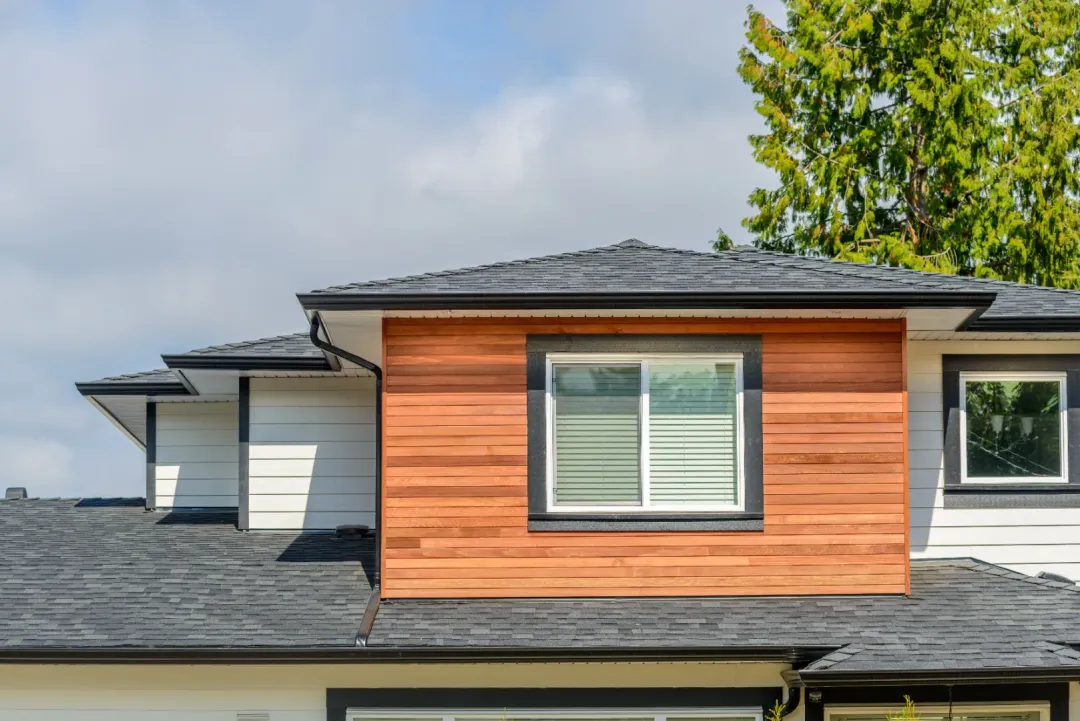
Engineered wood siding is manufactured using wood fibers, strands, or other wood-based components combined with resins, binders, and additives.
The materials are processed into boards or panels with consistent dimensions. Some products are treated or coated to improve their performance in exterior applications.
Engineered wood siding is designed to provide the appearance of traditional wood while offering manufacturing consistency and a range of installation options.
Benefits of Engineered Wood Siding
Can replicate the appearance of natural wood.
Offers consistent board dimensions and profiles.
Is available in several styles and textures.
Can be suitable for different architectural designs.
May be easier to handle than some heavier siding materials.
Limitations of Engineered Wood Siding
Moisture can damage engineered wood siding if water enters exposed edges, damaged finishes, or improperly detailed joints. Proper installation and maintenance are essential.
Follow the manufacturer's requirements for clearances, flashing, fasteners, sealing, and painting. Do not assume every engineered wood product has the same moisture resistance or maintenance requirements.
5. Fiber Cement Siding
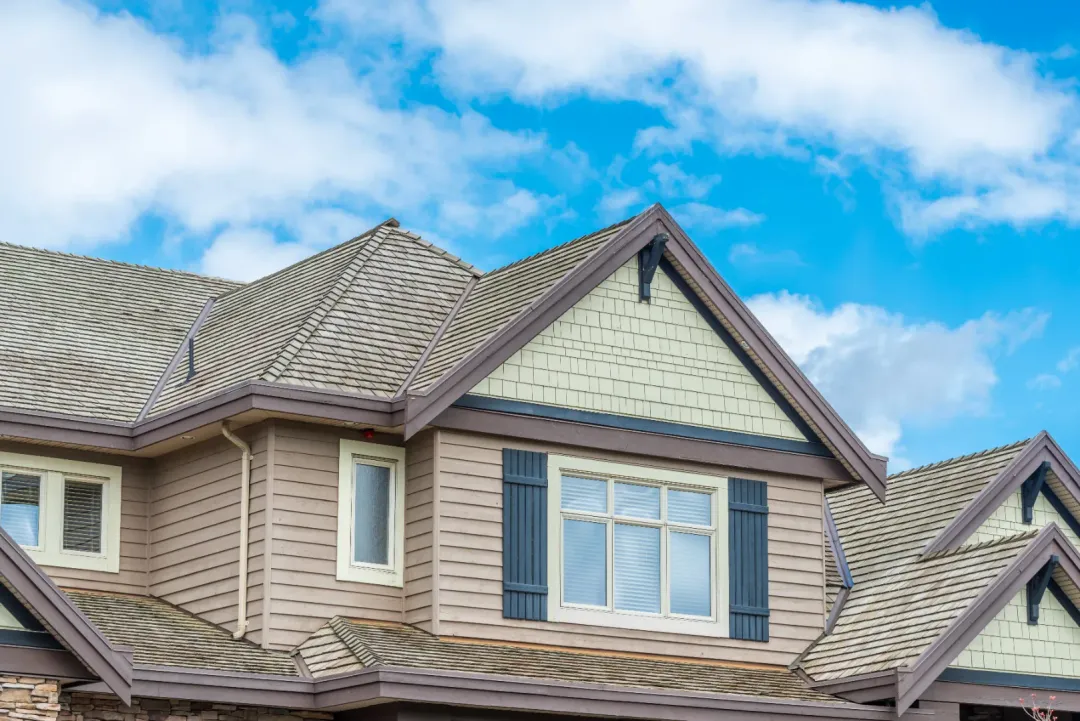
Fiber cement siding is generally made from Portland cement, sand or other mineral materials, cellulose fibers, water, and other ingredients. Exact formulations vary by manufacturer.
These ingredients are combined to create boards, panels, or shingles designed for exterior use. Fiber cement products can have smooth surfaces or textures that resemble natural wood.
It is frequently chosen for projects that require a durable siding material with a painted or factory-applied finish.
Benefits of Fiber Cement Siding
Resists rot.
Is not susceptible to termite damage in the same way as natural wood.
Can provide good fire resistance, depending on the product and complete wall assembly.
Is available in multiple textures and profiles.
Can imitate wood siding and other traditional exterior finishes.
Limitations of Fiber Cement Siding
Fiber cement is generally heavier than vinyl and requires suitable handling and installation methods.
Cutting fiber cement can produce respirable crystalline silica dust, which presents a health hazard. Installers should follow the manufacturer's cutting instructions and applicable safety requirements.
Fiber cement also needs appropriate moisture management and maintenance of its finish. Product-specific instructions should be followed for painting, sealing, and installation.
6. Aluminum Siding
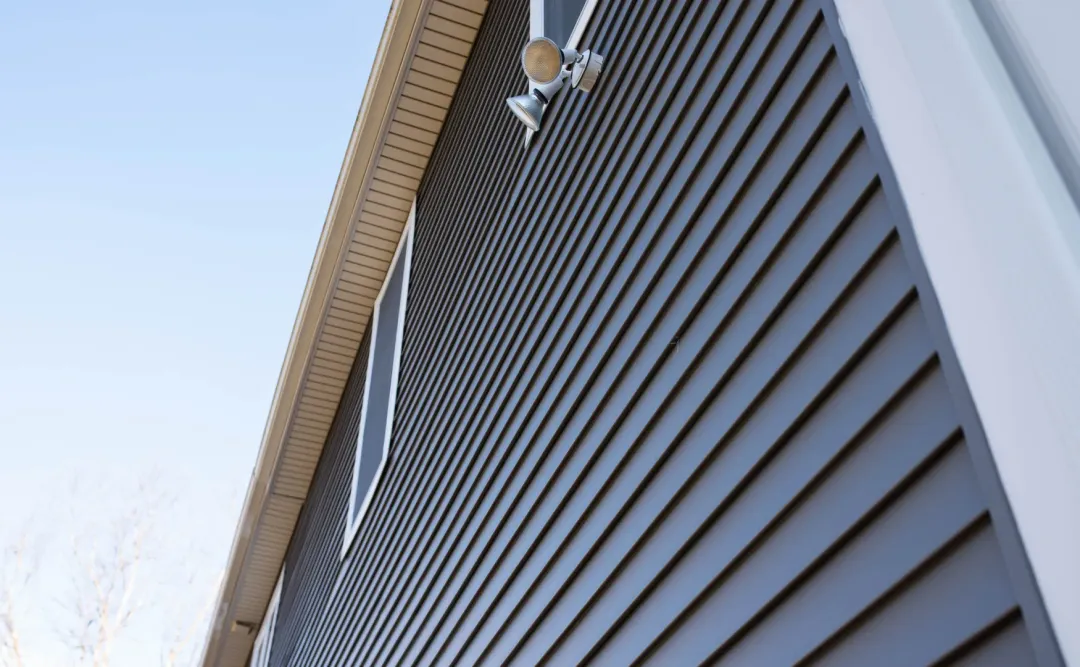
Aluminum siding is made from aluminum sheets formed into panels or boards. Manufacturers may apply protective coatings and decorative finishes to improve appearance and outdoor performance.
Aluminum siding was widely used in residential construction and remains an option for some homes, additions, and commercial buildings.
It is available in several colors and profiles, including designs that resemble traditional lap siding.
Benefits of Aluminum Siding
Does not rot.
Is relatively lightweight.
Resists corrosion through the formation of a protective oxide layer.
Requires relatively little routine maintenance.
Can be recycled where suitable facilities are available.
Limitations of Aluminum Siding
Aluminum can dent from hail or impact. Its finish may fade or become damaged over time, depending on the coating and environmental exposure.
Like other metal siding products, aluminum expands and contracts with temperature changes. Correct fastening and installation details are important.
7. Steel Siding
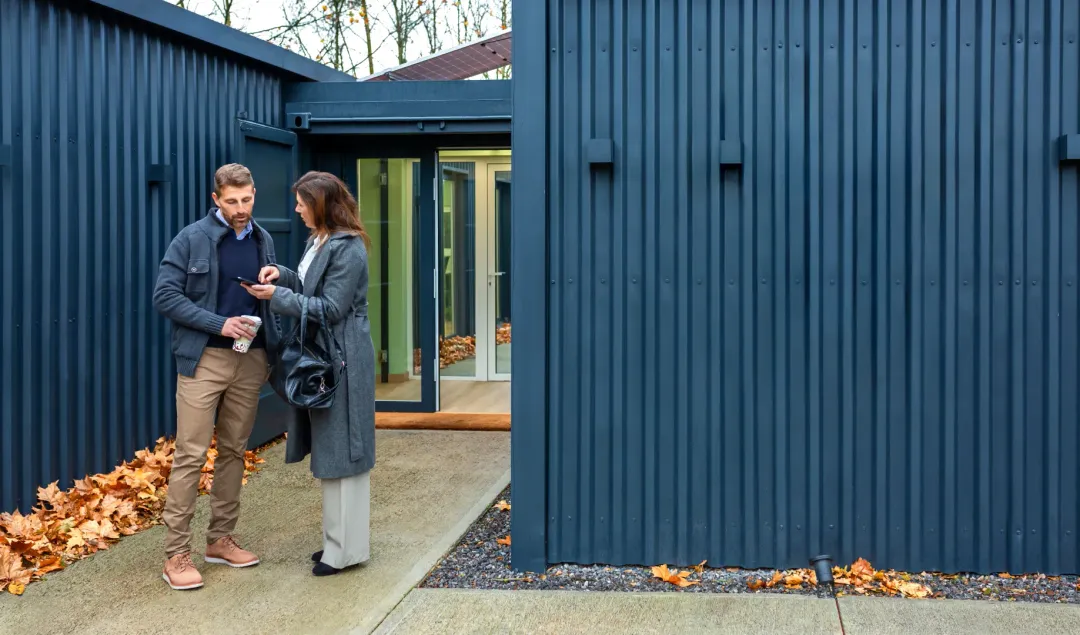
Steel siding is made from steel panels or sheets, often with protective coatings to reduce corrosion. Some products also include decorative finishes that provide different colors and textures.
Steel siding is used in residential, commercial, agricultural, and industrial buildings. It is available in flat panels, corrugated sheets, ribbed profiles, and other designs.
Benefits of Steel Siding
Offers good strength and impact resistance, depending on the product.
Does not rot.
Can provide a modern industrial appearance.
Is available in different colors and profiles.
May be recyclable.
Limitations of Steel Siding
Steel can corrode if its protective coating is damaged or the material is exposed to unsuitable conditions. Scratches, cut edges, and poorly protected fastener locations may require attention.
Steel panels also expand and contract with temperature changes. Proper coatings, fasteners, and installation details help support long-term performance.
8. Brick Siding
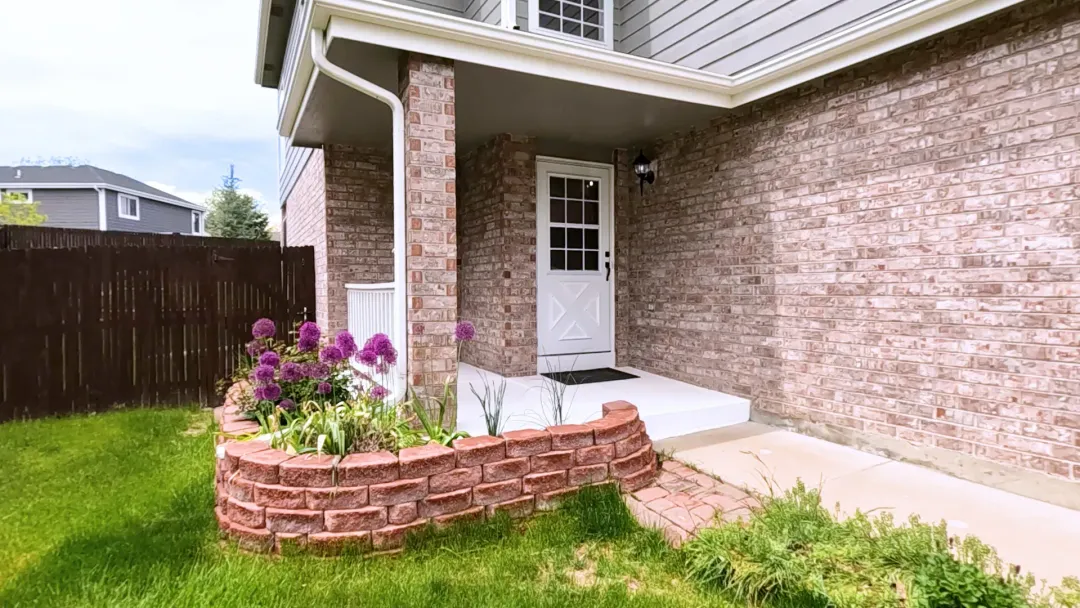
Brick siding may refer to traditional brick masonry or thin brick veneer installed over a suitable backing system.
Traditional bricks are generally made from clay or shale shaped and fired at high temperatures. Brick veneer products may use thinner pieces of brick to provide the same general appearance without creating a full-thickness brick wall.
Brick is often selected for its traditional appearance, durability, and compatibility with many architectural styles.
Benefits of Brick Siding
Provides a classic, long-lasting appearance.
Resists many forms of weather exposure when properly constructed.
Does not require routine painting.
Can complement different building materials.
May contribute to the thermal mass of a wall.
Limitations of Brick Siding
Brick construction can be expensive and requires skilled installation. Mortar joints may need repairs, and water management is essential.
Brick and brick veneer are not automatically waterproof. Proper flashing, drainage provisions, and wall construction help prevent moisture from damaging the building.
9. Natural Stone Siding
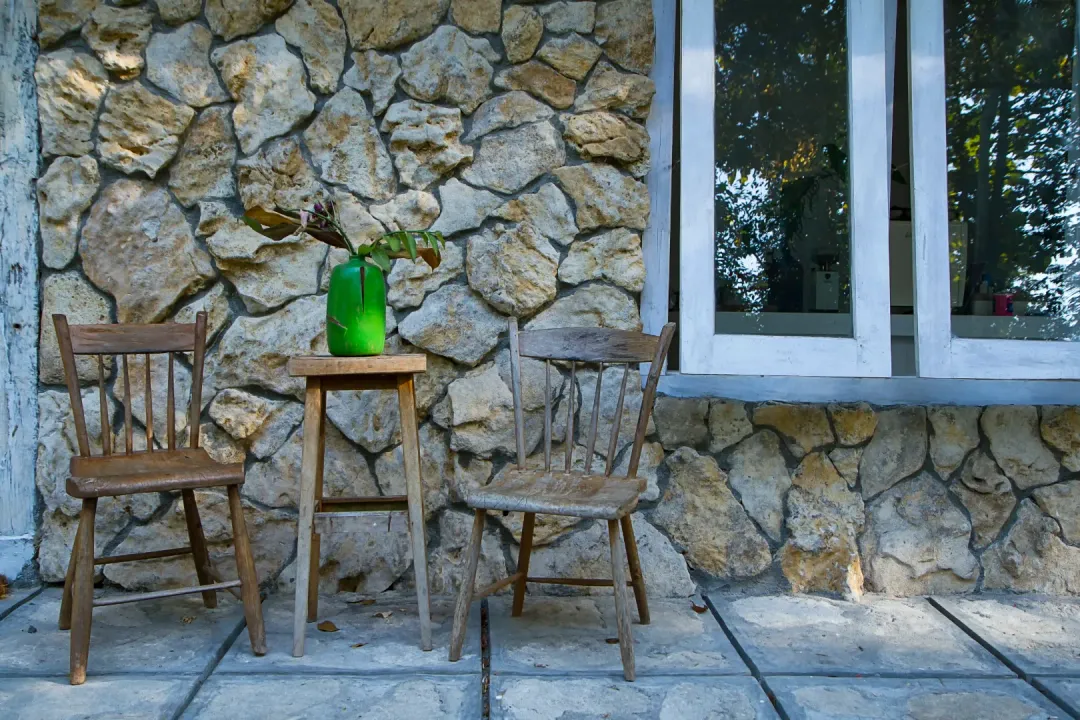
Natural stone siding uses stone quarried from the earth and cut or shaped for exterior installation.
Common options include limestone, granite, slate, sandstone, and other suitable stone types. Each has different characteristics, including weight, texture, color, porosity, and durability.
Natural stone is often used for premium residential exteriors, architectural accents, entryways, and feature walls.
Benefits of Natural Stone Siding
Offers a distinctive natural appearance.
Provides a wide range of colors and textures.
Can be highly durable when correctly selected and installed.
Requires relatively little routine maintenance.
Can complement wood, metal, and other siding materials.
Limitations of Natural Stone Siding
Natural stone can be expensive and heavy. Some types may require sealing or other maintenance, depending on their properties and exposure.
The supporting structure and installation system must be suitable for the stone's weight. Flashing, drainage, and appropriate attachment methods are essential.
10. Manufactured Stone Veneer
Manufactured stone veneer is generally made from cementitious materials, lightweight aggregates, pigments, and other ingredients designed to reproduce the appearance of natural stone.
It is available in different shapes, colors, and textures. Some products imitate rough-cut stone, while others resemble stacked stone or brick.
Manufactured stone veneer is often lighter than comparable natural stone, although the weight varies by product.
Benefits of Manufactured Stone Veneer
Offers a stone-like appearance.
Is available in a variety of styles.
Can be lighter than natural stone.
Works well for exterior accents and feature areas.
Can complement other siding materials.
Limitations of Manufactured Stone Veneer
The material requires correct installation and a suitable backing system. Improper flashing or moisture management can allow water to accumulate behind the veneer.
The product should be installed according to its specific requirements for attachment, drainage, clearances, and weather protection.
11. Stucco Siding
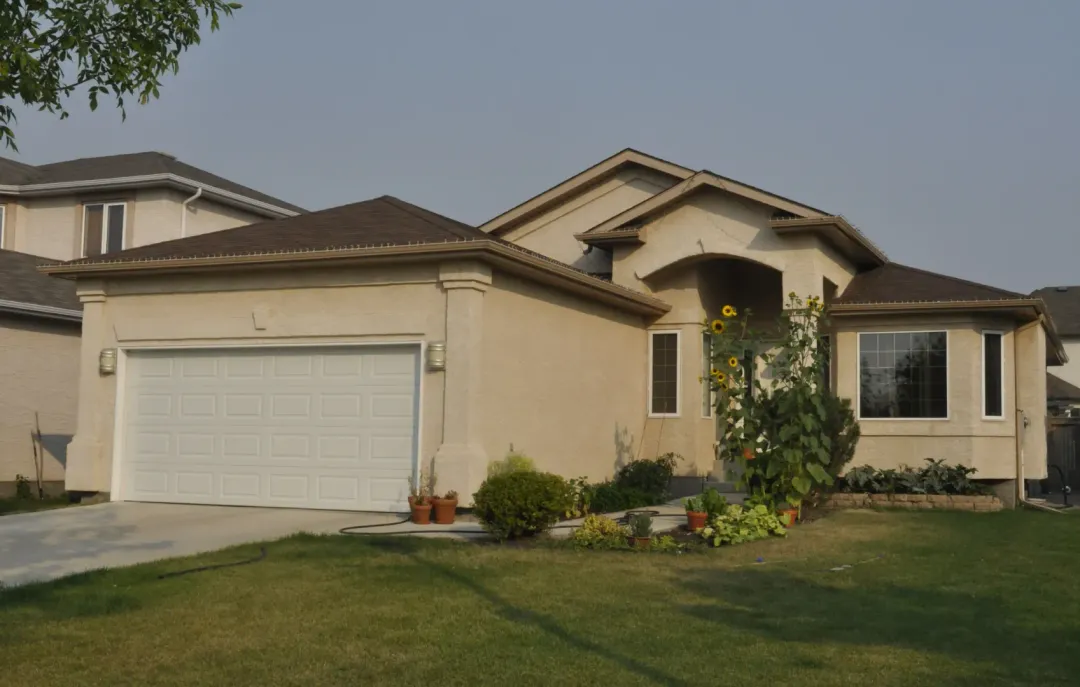
Traditional stucco is commonly made from cement, sand, lime, and water. Modern stucco systems may use different formulations, including acrylic finishes and specialized components.
Stucco is applied over a prepared wall surface or supporting system. Depending on the construction method, the assembly may include reinforcement, drainage provisions, and multiple coats.
It is common in Mediterranean, Spanish-style, Southwestern, and contemporary architecture.
Benefits of Stucco Siding
Creates a continuous exterior finish.
Can be finished in different colors and textures.
Offers good durability when properly installed.
Requires relatively little routine maintenance.
Works with many architectural styles.
Limitations of Stucco Siding
Stucco can crack because of movement, shrinkage, or installation problems. Cracks and poorly detailed openings may allow water to enter the wall assembly.
The correct installation and repair methods depend on the type of stucco system and the building's construction.
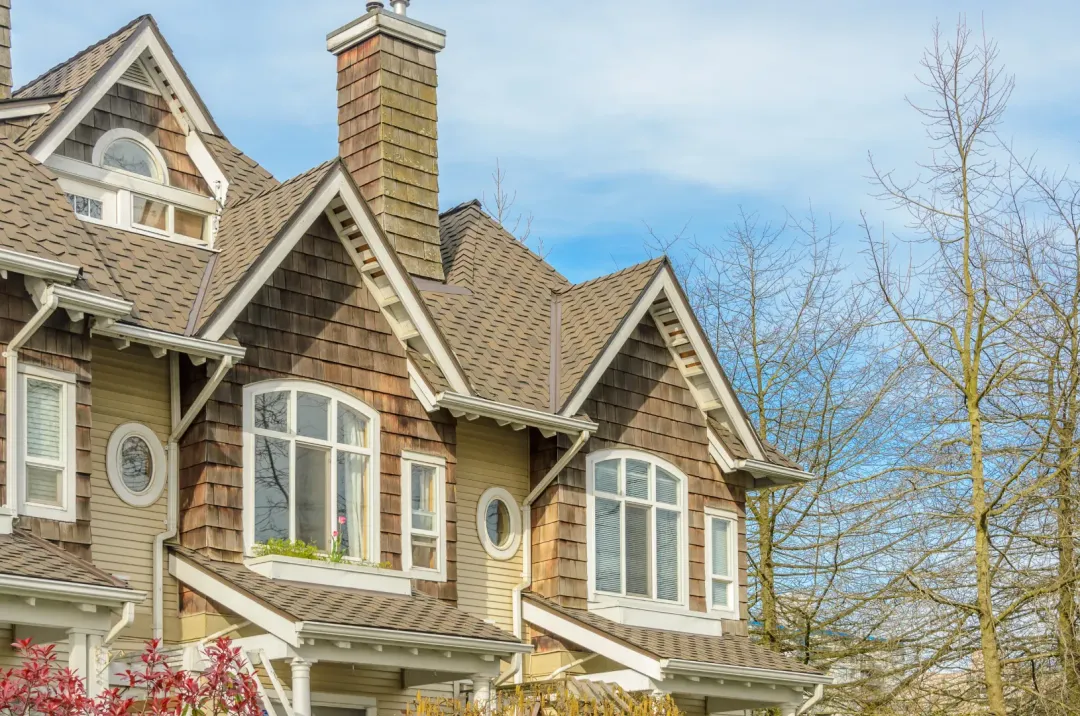
12. Wood Shingles and Shakes
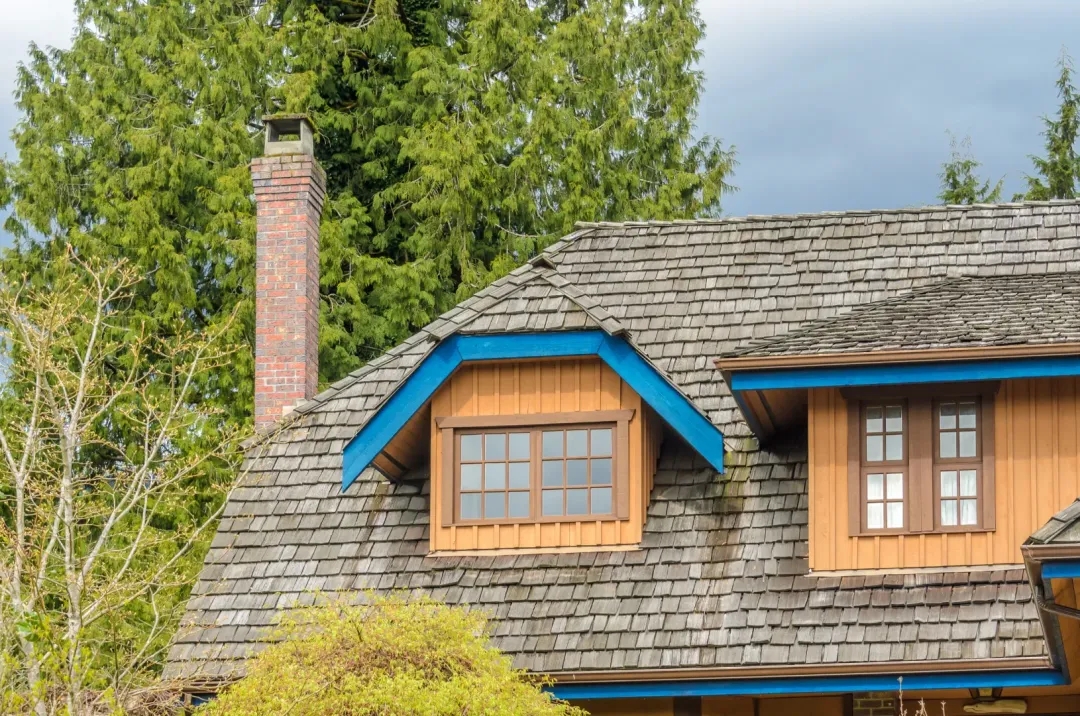
Wood shingles and shakes are made from natural wood, commonly cedar and other suitable species.
Wood shingles are generally more uniform in thickness and appearance, while traditional shakes are often thicker and have a more textured, rustic appearance.
They are installed in overlapping courses to create a distinctive exterior finish.
Benefits of Wood Shingles and Shakes
Provide a natural, textured appearance.
Complement traditional and rustic architecture.
Can be stained or treated, depending on the product.
Allow individual damaged pieces to be replaced.
Limitations of Wood Shingles and Shakes
They require appropriate installation and moisture management. Depending on the wood species, climate, and finish, they may need regular maintenance and can be susceptible to decay or insect damage.
Fire performance also needs careful consideration. Untreated wood is combustible, and local building codes may restrict certain wood siding products in particular locations.
13. Wood-Plastic Composite Siding
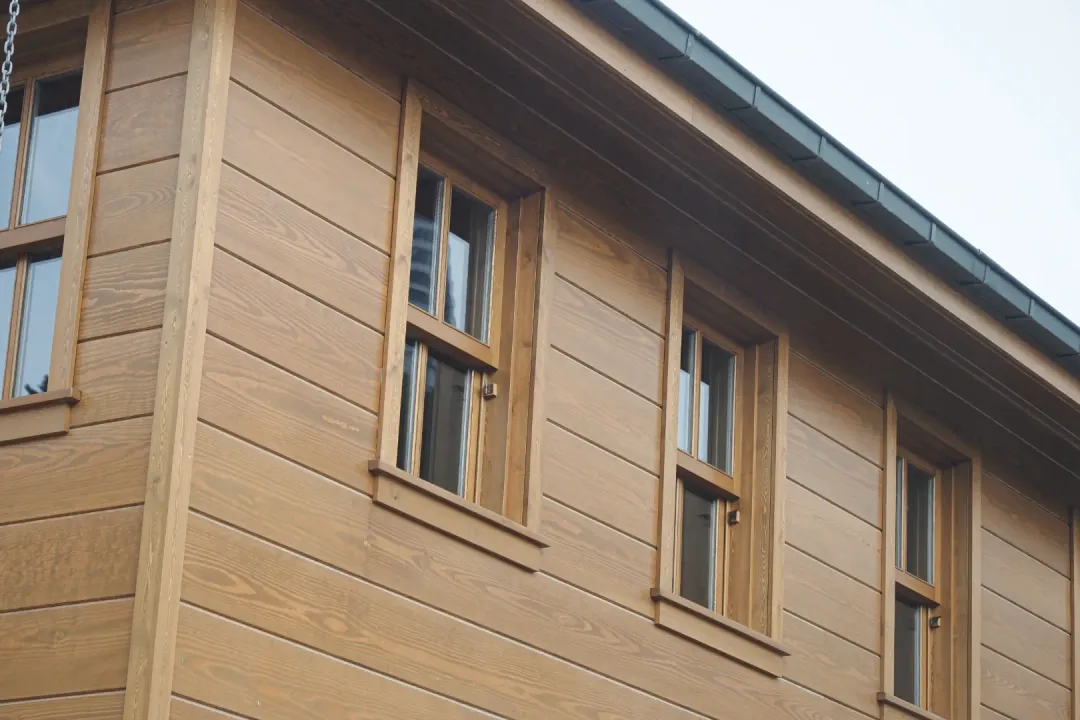
Wood-plastic composite siding is a specific category of composite siding. It generally combines wood fibers or wood flour with thermoplastic polymers and additives.
The wood component provides texture and bulk, while the polymer component helps bind the material together. The proportions and formulation vary between manufacturers.
Wood-plastic composites are used in some exterior cladding products and can be manufactured in profiles that resemble traditional wood boards.
Benefits of Wood-Plastic Composite Siding
Can provide a consistent wood-like appearance.
May resist some forms of moisture-related deterioration better than untreated wood.
Is available in different colors and profiles.
May require less frequent finishing than some natural wood products.
Limitations of Wood-Plastic Composite Siding
Not every wood-plastic composite product is suitable for vertical exterior siding. Some are designed specifically for decking or other applications.
Always confirm that the selected product is approved for exterior wall cladding. Check its requirements for UV exposure, expansion, ventilation, fastening, and moisture management.
14. High-Pressure Laminate Siding
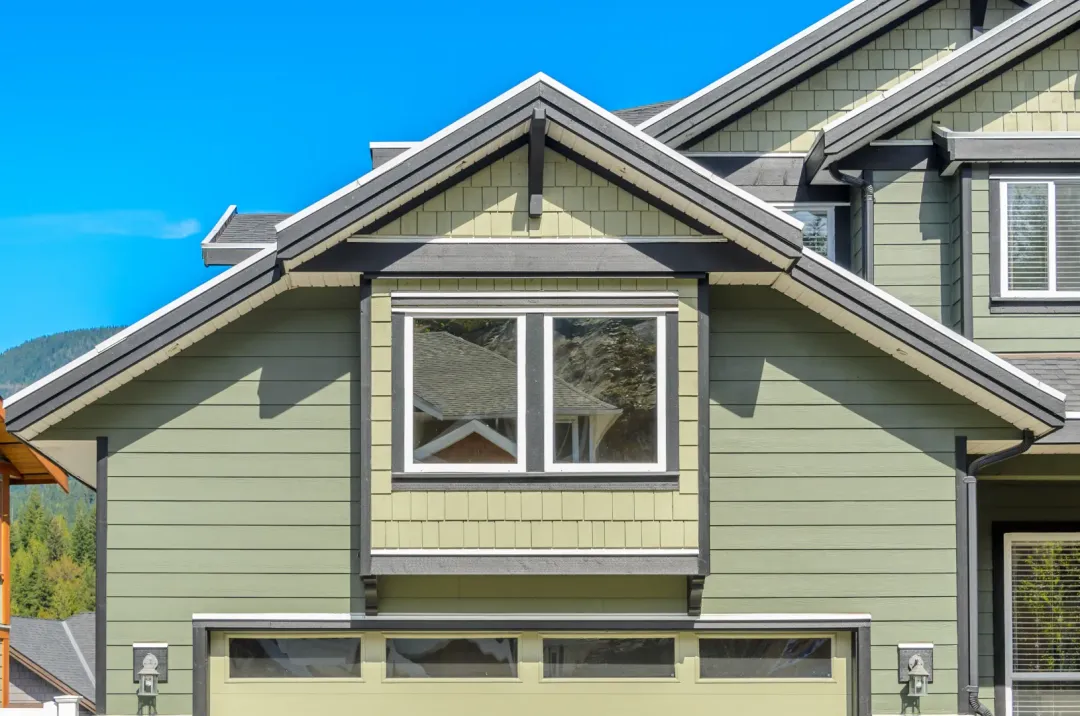
High-pressure laminate, or HPL, siding is made by compressing layers of fibers or other core materials with resin under heat and pressure. Many exterior-grade products use decorative surface layers designed to resist weather exposure.
HPL panels are used in some contemporary residential and commercial facades. They can imitate wood, stone, or solid colors.
Benefits of HPL Siding
Offers a wide range of decorative finishes.
Can provide a contemporary architectural appearance.
Is available in large panel formats.
May offer good surface durability when designed for exterior use.
Limitations of HPL Siding
Exterior performance depends on the panel formulation, installation system, and exposure conditions. The material can be expensive, and panels must be installed with suitable fasteners, joints, and movement allowances.
Only products specifically rated for exterior use should be selected for outdoor siding.
15. Exterior Plywood and Panel Siding
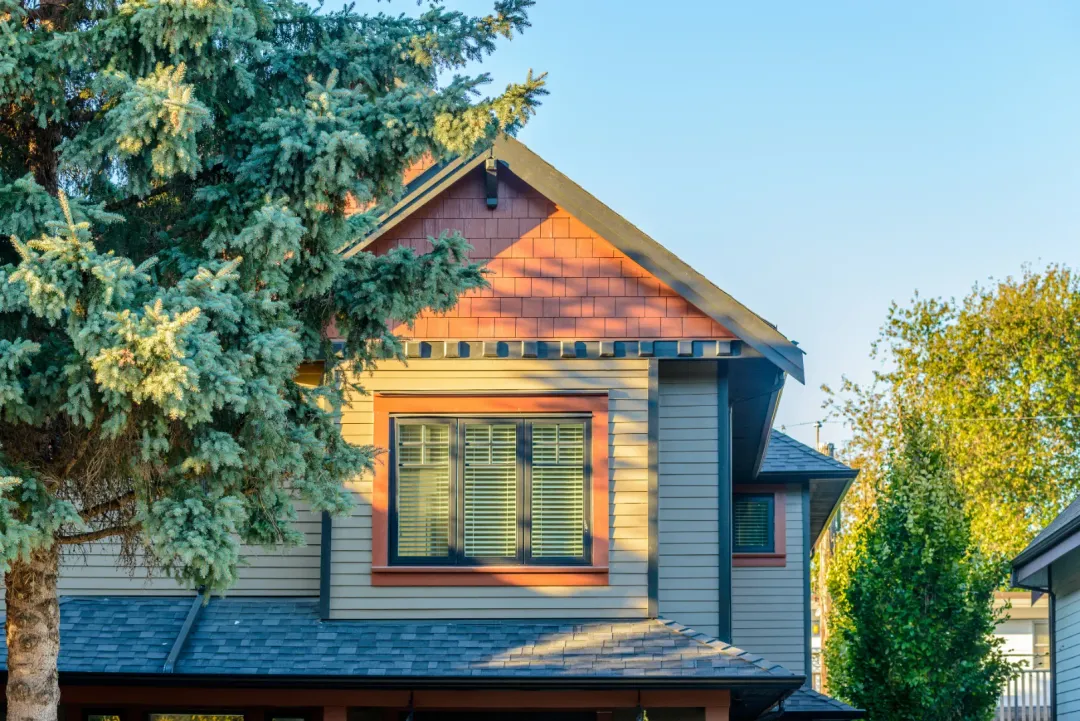
Exterior panel siding can be made from plywood, oriented strand board (OSB) products specifically designed for siding, and other engineered panel materials.
Exterior-grade plywood is manufactured with adhesives suitable for specified moisture exposure conditions. Some panel siding products have textured faces or grooves that create a decorative finish.
Panel siding is used in certain residential, agricultural, and utility buildings.
Benefits of Panel Siding
Can cover large wall areas efficiently.
Provides a simple, clean appearance.
Is available in different textures and panel patterns.
Can be suitable for some economical construction projects.
Limitations of Panel Siding
Not every plywood or OSB panel is suitable as a finished exterior siding product. Exposure ratings, edge protection, coatings, and installation details matter.
The material must be installed according to the manufacturer's requirements, including suitable flashing, clearances, and finishing.
16. Thermally Modified Wood Siding
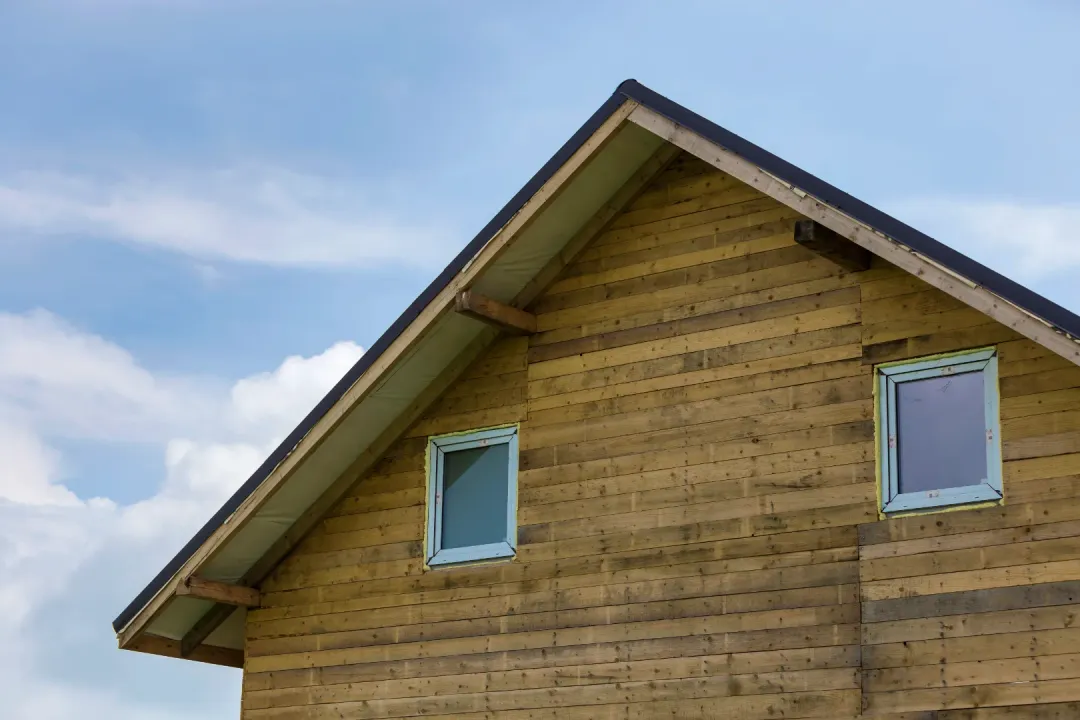
Thermally modified wood is natural wood that has been treated with controlled heat to change certain physical properties. The process typically reduces the wood's equilibrium moisture content and can improve dimensional stability under appropriate conditions.
The wood species and thermal treatment process influence the finished material's performance.
Thermally modified wood siding is used when a natural wood appearance is desired alongside improved dimensional stability.
Benefits of Thermally Modified Wood Siding
Retains a natural wood appearance.
Can provide improved dimensional stability.
Is available in different wood species and profiles.
May reduce certain moisture-related movement compared with untreated wood.
Limitations of Thermally Modified Wood Siding
The treatment does not make every wood product waterproof or maintenance-free. Some thermal modification processes can affect mechanical properties, and performance varies by species and treatment.
The material still needs proper installation, drainage, and finishing where required.
17. Modified Wood Siding
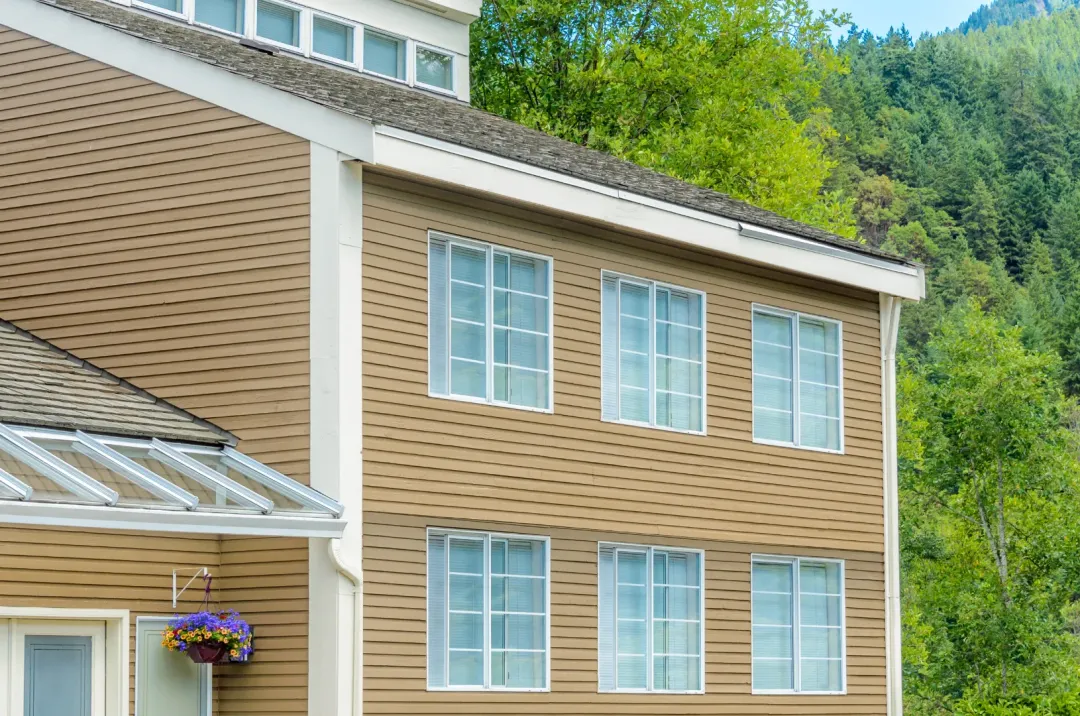
Modified wood siding is made from wood that has undergone a treatment designed to change certain performance characteristics. Modification methods vary and can include chemical modification, acetylation, or other specialized processes.
These treatments may improve dimensional stability, moisture resistance, or durability, depending on the product.
Modified wood is selected for projects where the natural appearance of wood is desired with particular performance benefits.
Benefits of Modified Wood Siding
Preserves the appearance and texture of natural wood.
Some products offer improved dimensional stability.
Certain treatments improve resistance to moisture-related deterioration.
Can be used in contemporary and traditional designs.
Limitations of Modified Wood Siding
Performance depends on the specific modification method and wood species. The product may cost more than conventional lumber and still require appropriate installation and maintenance.
Always review the manufacturer's instructions and technical documentation before choosing modified wood for an exterior application.
18. Glass and Architectural Metal Cladding
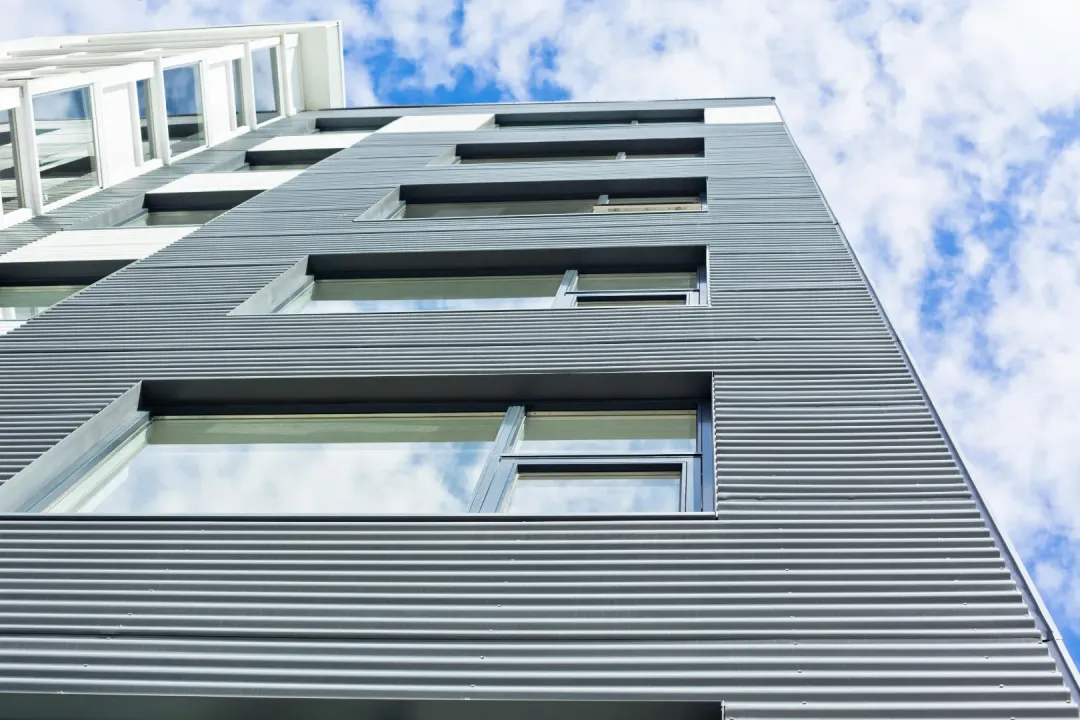
Some modern buildings use glass, aluminum composite panels, steel panels, or other specialized cladding materials as part of their exterior envelope.
These systems are not always described as traditional siding, but they serve a related function by forming the exterior surface of a wall.
Glass facade systems typically use engineered framing and glazing. Aluminum composite panels commonly consist of metal skins bonded to a core, although the core material and fire performance vary by product.
Benefits of Architectural Cladding
Supports contemporary building designs.
Provides a range of finishes and panel sizes.
Can create distinctive exterior appearances.
May be integrated with specialized insulation and weatherproofing systems.
Limitations of Architectural Cladding
These systems require careful engineering and installation. Fire performance, structural attachment, water management, thermal movement, and compliance with local building codes are especially important.
The suitability of a particular system depends on the building type and applicable regulations.
How Do You Choose the Right Siding Material?
Choosing siding involves more than comparing appearance or purchase price. The best option should suit your climate, building design, maintenance expectations, and budget.
Consider Climate and Moisture Exposure
Rain, humidity, sunlight, temperature changes, and coastal conditions can affect siding materials differently. Select a product designed for the expected environment and ensure the wall system includes proper moisture management.
Compare Maintenance Requirements
Natural wood may require periodic painting or staining. Vinyl and metal siding generally need less routine maintenance, while composite products have maintenance needs that depend on their formulation and finish.
Brick, stone, and stucco may require occasional repairs, particularly around joints, cracks, and openings.
Evaluate the Total Installed Cost
Material prices are only one part of the total expense. Labor, trim, flashing, insulation, supporting structures, and future maintenance can all affect the overall project cost.
Some materials also require specialized installers, which can influence the final budget.
Match the Material to Your Building Design
Wood can provide a natural appearance, while composite siding offers a range of manufactured textures. Fiber cement can imitate wood, metal suits many contemporary designs, and brick or stone provides a masonry appearance.
Consider how the siding will look alongside roofing, windows, doors, and other exterior finishes.
Check Installation Requirements
Every siding material has specific installation requirements. Correct fastening, flashing, clearances, drainage, and ventilation can significantly affect its performance.
Use qualified installers and follow the manufacturer's technical instructions.
Conclusion
Siding can be made from natural wood, vinyl, composite materials, engineered wood, fiber cement, aluminum, steel, brick, stone, stucco, and several specialized exterior cladding products.
Each material offers different advantages. Natural wood provides distinctive grain and texture, vinyl is popular for its relatively low maintenance, composite siding offers a variety of manufactured finishes, and fiber cement provides a durable alternative to traditional wood. Metal, masonry, stucco, and architectural cladding provide additional choices for different budgets and building styles.
The best siding material depends on your climate, budget, desired appearance, maintenance expectations, and the construction of your exterior walls. Before making a decision, confirm that the product is suitable for exterior use and that it can be installed with the correct flashing, drainage, fastening, and weather-protection details.
Choosing the right material and installing it correctly can help protect your building and maintain its appearance for years.