
The cost to side a house depends on several factors, including the size of the home, siding material, labor rates, and the condition of the existing exterior. Some homeowners choose affordable vinyl siding to keep costs low, while others invest in fiber cement, wood, metal, or composite siding for a different appearance and level of performance.
Siding does more than improve curb appeal. It helps protect the exterior of a home from rain, wind, sunlight, and other weather conditions. Choosing the right material means balancing the initial installation cost with maintenance, durability, and long-term value.
In this guide, we explain the average cost to side a house, compare popular siding materials, and look at how composite siding fits into the budget.
Average Cost to Side a House by Material
The siding material is one of the biggest factors affecting the total project price. Each option has different material costs, installation requirements, maintenance needs, and expected service life.
The following are approximate U.S. planning ranges for installed siding. Actual prices vary by product, contractor, and location.
Siding material | Approximate installed cost per sq. ft. |
Vinyl siding | $4–$12 |
Aluminum siding | $6–$10 |
Engineered wood siding | $7–$12 |
Fiber cement siding | $6–$15 |
Natural wood siding | $6–$16 |
Composite siding | $10–$25 |
Stone siding | $10–$45 |
These are broad estimates, not guaranteed contractor prices. Some premium products and complicated installations can cost more.
How Much Does It Cost to Side a House by Size?
The larger the exterior wall area, the more siding material and labor the project requires. Remember that contractors calculate siding using exterior wall measurements rather than the home's interior floor area.
Here are approximate project totals using a general installed range of $4 to $15 per square foot:
Estimated siding area | Approximate project cost |
1,000 sq. ft. | $4,000–$15,000 |
1,500 sq. ft. | $6,000–$22,500 |
2,000 sq. ft. | $8,000–$30,000 |
2,500 sq. ft. | $10,000–$37,500 |
3,000 sq. ft. | $12,000–$45,000 |
These figures are examples based on siding coverage area. Your home's actual wall area may be different. Windows, doors, gables, multiple stories, and architectural details all affect measurements and installation costs.
Cost of Different House Siding Materials
1. Vinyl Siding
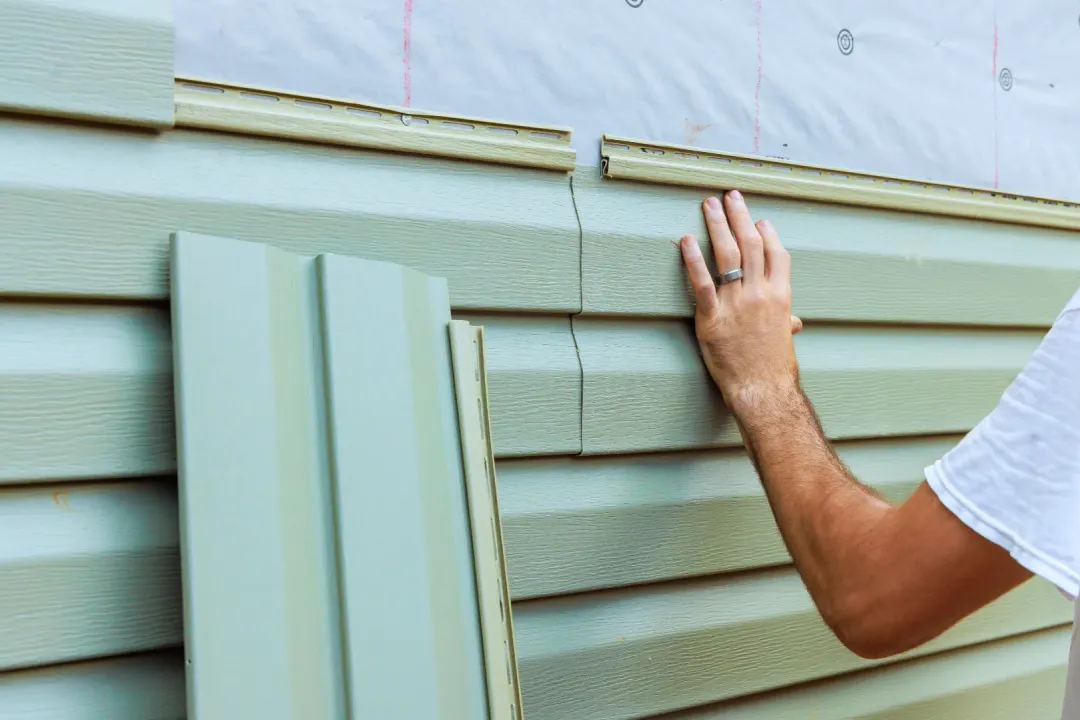
Vinyl is a popular option for homeowners looking for relatively affordable exterior siding. It is available in different colors, textures, and profiles, including styles that resemble traditional wood siding.
It generally requires less maintenance than natural wood because it does not need regular staining or painting. However, vinyl can crack, fade, or become damaged depending on its quality and exposure to weather.
Its relatively low material and installation costs make it a common choice for budget-conscious projects.
2. Fiber Cement Siding
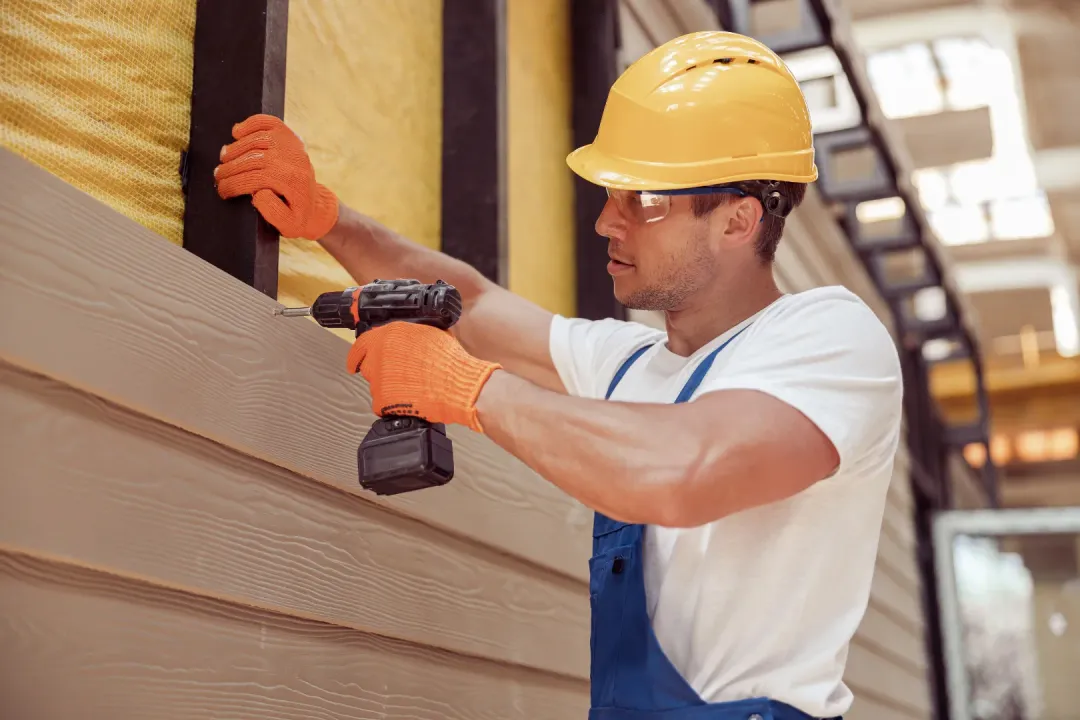
Fiber cement siding is made using cement, sand, and cellulose fibers. It is available in plank, panel, and shingle styles.
It can provide the appearance of painted wood while offering resistance to insects and rot. It is also a heavier material, so installation usually requires proper tools and experienced contractors.
Fiber cement generally costs more to install than basic vinyl siding, but homeowners may prefer its appearance and durability.
3. Natural Wood Siding
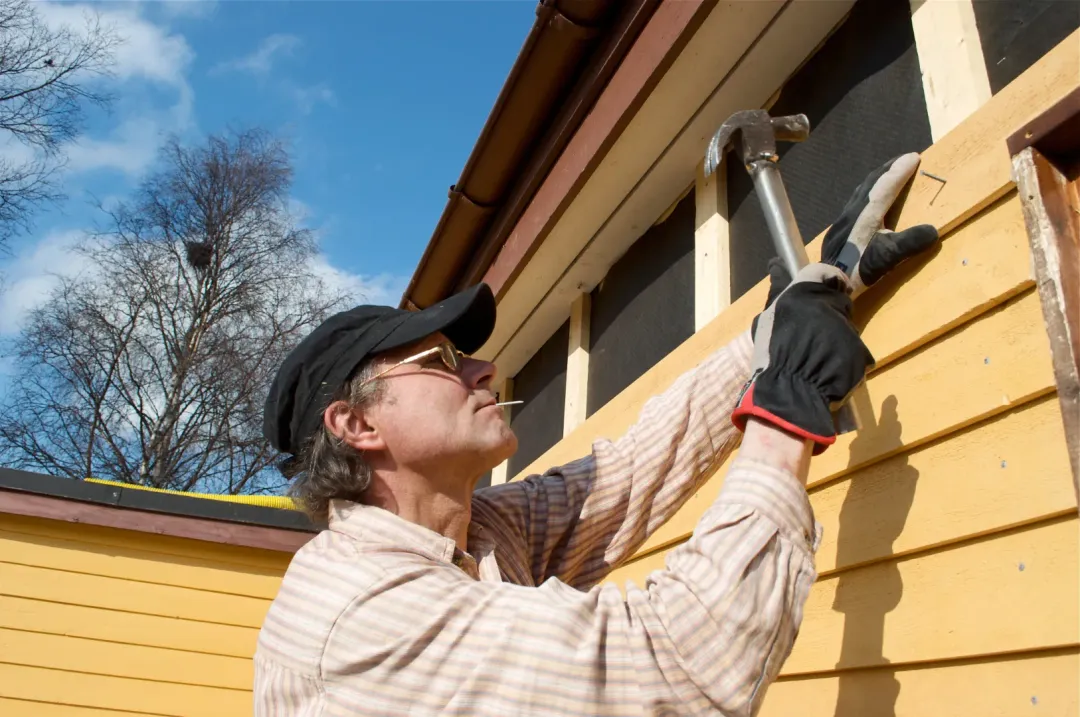
Natural wood siding offers a traditional appearance that works with many architectural styles. Cedar and other suitable wood species are commonly used for exterior applications.
The final cost depends on the species, grade, profile, and finish. Wood siding also needs maintenance to protect it from moisture, insects, sunlight, and weather-related damage.
Painting, staining, and periodic inspections should be included when comparing its long-term cost with other materials.
4. Composite Siding
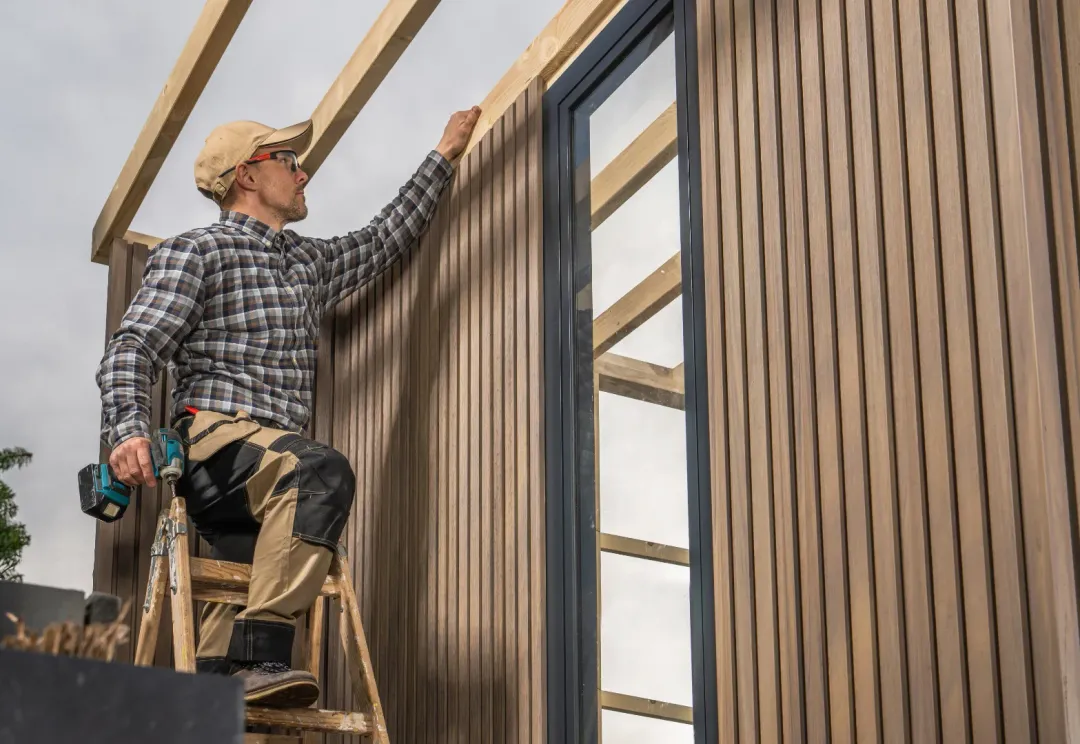
Composite siding is another option for homeowners who want an alternative to traditional wood. Depending on the product, it may be manufactured using wood fibers, resins, polymers, or other combined materials.
Some composite products are designed to reproduce the appearance of natural wood while reducing certain maintenance requirements. They are available in different colors, textures, and profiles.
The cost to install composite siding is often higher than basic vinyl. A general planning estimate is around $10 to $25 per square foot installed, although the exact price depends on the product, brand, and installation system.
Before choosing composite siding, check the manufacturer's instructions for moisture protection, fastening, expansion gaps, painting requirements, and cleaning. Not every composite product has the same performance characteristics.
5. Aluminum Siding
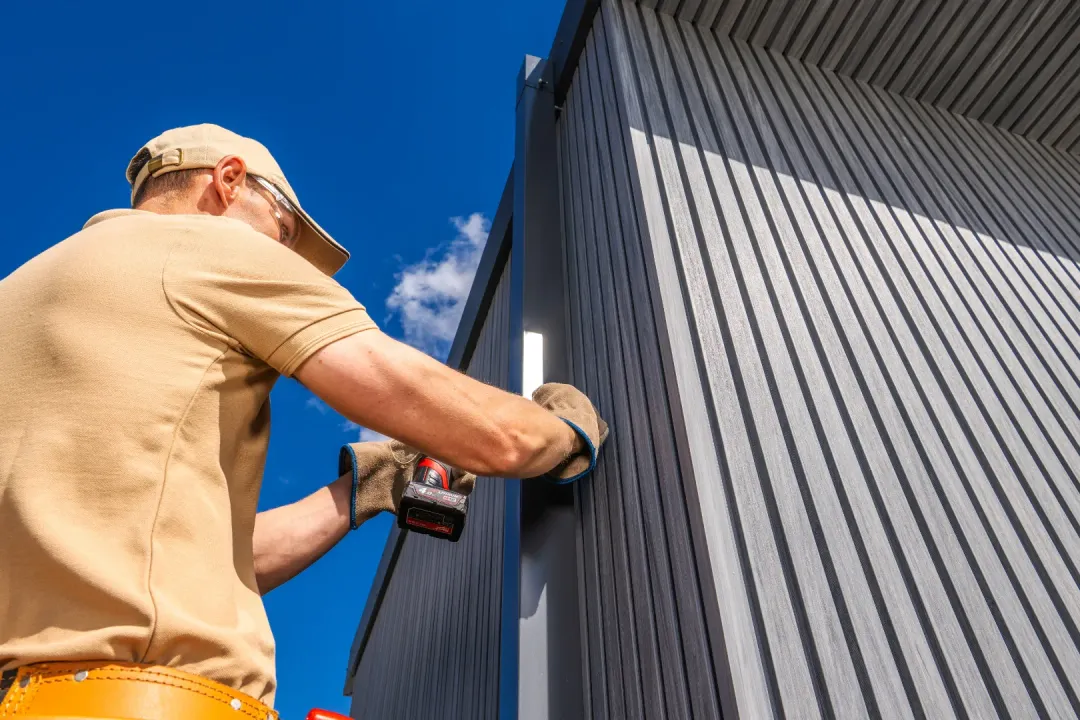
Aluminum siding is a lightweight exterior material that does not rot or attract termites. It can be useful in certain climates and is available in different finishes.
However, aluminum can dent when hit by objects, and its finish may fade or become scratched over time. The cost depends on the thickness, finish, and installation requirements.
What Factors Affect the Cost to Side a House?
The siding material is important, but it is not the only expense. Several other factors can increase or reduce the final project cost.
House Size and Design
A larger house requires more siding. Homes with multiple stories, steep rooflines, dormers, and complicated exterior layouts can also require additional labor.
Removal of Old Siding
If the existing siding needs to be removed, contractors may charge extra for labor and disposal. The price can increase if the old material is difficult to remove or requires special handling.
Wall Repairs
Once the old siding is removed, contractors may discover damaged sheathing, moisture problems, or rotting wood. These issues should be repaired before installing new siding.
House Wrap and Insulation
House wrap helps manage water and air movement behind the siding when installed as part of a suitable wall assembly. Some homeowners also choose to add insulation during replacement.
These materials increase the initial budget but may improve the overall performance of the exterior wall system.
Labor and Location
Labor rates vary by region. Installation can also cost more when the material is heavy, requires specialized tools, or needs detailed cutting and fitting.
How to Calculate the Cost to Side a House
You can estimate your siding budget by measuring the exterior walls and multiplying the coverage area by the installed price per square foot.
For example, suppose your home has approximately 2,000 square feet of exterior wall area and you choose siding that costs $8 per square foot installed.
2,000 × $8 = $16,000
Your estimated installation cost would be $16,000 before any additional charges not included in the contractor's quote.
Ask contractors whether their estimates include old siding removal, house wrap, flashing, trim, repairs, waste, and disposal. This makes it easier to compare quotes accurately.
How to Save Money on House Siding
You do not have to choose the cheapest material to manage your siding budget. Instead, compare the complete cost of installation and future maintenance.
Here are a few practical ways to control expenses:
Get at least three written estimates from qualified contractors.
Compare the same material, product grade, and installation scope in each quote.
Measure the exterior wall area accurately before estimating materials.
Choose a siding profile that suits your home's design without unnecessary custom details.
Repair moisture problems before installing new siding.
Ask whether the existing siding can remain in place, if permitted by the product instructions and local building requirements.
Compare maintenance costs as well as the initial purchase price.
Is Composite Siding Worth the Cost?
Composite siding may be worth considering if you want the appearance of wood with a different maintenance profile. It comes in several designs and can provide a consistent exterior finish.
However, the right choice depends on the specific product. Compare its warranty, installation requirements, moisture resistance, finish, and expected maintenance before making a decision.
Vinyl may be more suitable when keeping the initial budget low is the main priority. Natural wood may appeal to homeowners who prefer genuine wood grain and are comfortable with regular upkeep. Composite siding offers another option between these choices, depending on the product and project requirements.
Conclusion
The cost to side a house depends on the exterior wall area, material, labor, and condition of the existing walls. Vinyl, wood, fiber cement, aluminum, and composite siding all offer different advantages and price points.
Before choosing a material, compare installation costs, maintenance requirements, product warranties, and expected performance. Getting detailed estimates from experienced contractors can help you understand the complete project budget and select siding that suits your home.